83 105 103 110 97 116 117 114 101 58 32 49 109 106 50 75 98 69 85 87 106 79 111 75 97 110 43 100 105 56 82 110 97 72 71 118 88 101 83 100 106 43 101 70 57 68 69 47 56 85 73 82 72 108 110 122 107 49 79 83 104 99 88 69 110 84 105 65 69 81 57 105 105 102 116 117 106 97 74 74 99 121 70 47 111 74 102 122 72 114 105 102 113 65 102 97 118 122 122 57 47 66 98 102 56 122 100 100 107 75 99 118 83 88 54 107 102 116 110 54 112 43 79 101 101 104 107 118 73 75 74 118 84 117 57 116 104 107 43 56 110 104 114 111 71 66 65 9
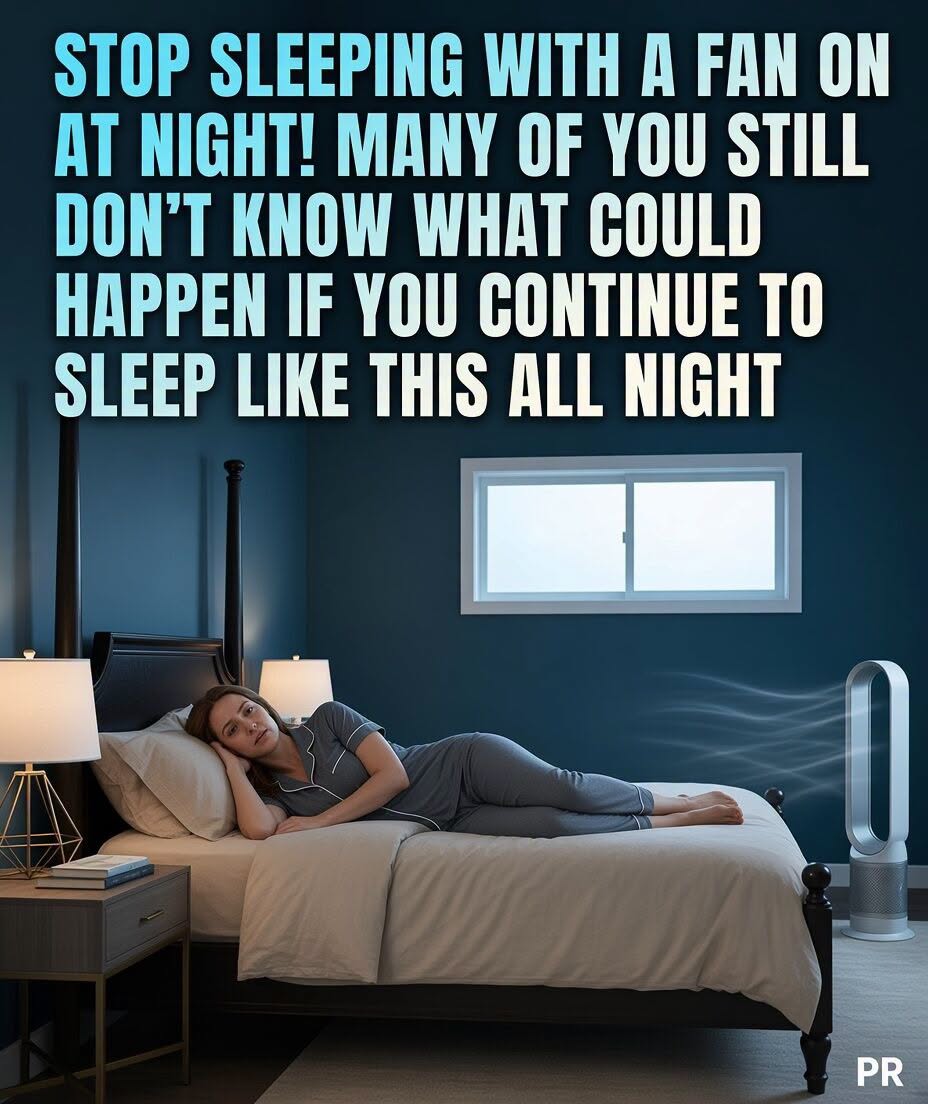
For many people, sleeping with a fan is part of the nightly routine. The steady hum can cover traffic, voices, and other distracting noises, while the moving air makes a warm bedroom feel more comfortable. Some people have used one for so long that falling asleep without it feels almost impossible. Yet the same fan that creates a soothing environment can also interfere with sleep in ways that are easy to miss.
One of the most common problems is dryness. A fan continuously moves air across the face and body for several hours. If that airflow is directed toward the bed, it can dry the mouth, throat, nose, and eyes. A person may not wake fully during the night, but minor irritation can cause brief disruptions that reduce the restorative quality of sleep. The result may be a scratchy throat, dry eyes, congestion, or an uncomfortable feeling in the morning.
The moving air can also circulate dust, pet hair, pollen, and other particles that have settled around the bedroom. A fan does not create allergens, but it can keep them suspended and push them toward the sleeper. This may be particularly noticeable for people with allergies, asthma, or sensitive sinuses. They may wake with sneezing, a blocked nose, watery eyes, or a headache without realizing that the fan’s position contributed to the problem.
Temperature is another factor. A cooler bedroom often supports comfortable sleep, but direct airflow can become excessive as body temperature naturally drops during the night. Someone may feel perfectly comfortable at bedtime and then become cold several hours later. The body can respond by tightening muscles or repeatedly adjusting position. These small reactions may not be remembered in the morning, although they can fragment sleep.
Some people also report waking with stiffness after a fan has blown directly on the neck, back, or face all night. The fan itself does not cause an injury, but prolonged cool airflow may make already tense muscles feel less comfortable. Sleeping in one position for hours can add to that sensation. A person may blame the mattress or pillow when changing the direction of the fan could make a difference.
Noise can be either helpful or disruptive. A consistent low sound may function like white noise and mask sudden disturbances. However, an old or unstable fan may rattle, click, change speed, or produce irregular sounds. The brain is more likely to respond to changing noise than to a steady background hum. Even when those sounds do not cause a full awakening, they may pull the sleeper into a lighter stage of sleep.
None of this means everyone should stop using a fan. For many sleepers, the benefits outweigh the disadvantages. The practical solution is to change how the fan is used. Instead of aiming it directly at the face or body, point it across the room or toward a wall so the air circulates more gently. Oscillation can prevent one area from receiving constant airflow. A lower speed may provide enough cooling and background sound without creating excessive dryness.
Keeping the fan and bedroom clean is equally important. Dust builds up on blades and protective grills, then returns to the air when the fan operates. Cleaning those surfaces regularly and vacuuming the room can reduce the amount of debris being circulated. Washing bedding, managing pet hair, and replacing or cleaning room filters may also help people who experience allergy symptoms.
If dry air is the main complaint, moderate humidity and proper hydration may improve comfort. People who wear contact lenses or already struggle with dry eyes should be especially careful about airflow directed toward the face. The fan can also be placed farther away from the bed or set on a timer so that it switches off after the room has cooled.
Sleep problems should not automatically be blamed on a fan. Persistent snoring, breathing interruptions, severe daytime sleepiness, chronic insomnia, or repeated morning headaches can have other causes and deserve proper medical attention. A fan adjustment is a simple experiment, not a diagnosis.
The key is to notice the pattern. If sleep feels unrefreshing, try several nights with the fan repositioned, cleaned, slowed down, or switched off after a set period. A familiar habit can be comforting while still affecting the body. Small changes to airflow, temperature, and cleanliness may preserve the fan’s soothing benefits without allowing it to quietly disturb the night.